
Pretty food, healthy food, real food: why I built Biteshot
A love-hate relationship with food, and the app that came out of it
Live to eat or eat to live? For most of my life I couldn't decide. I have a love-hate relationship with food.
I love it. I love the smell of something on the stove, a plate that looks like someone cared, the first bite of a dish I haven't had in years. And I've spent just as much time fighting it: counting, second-guessing, wondering whether the thing I'm about to eat is the right call.
Over the years I noticed something that kept bothering me.
Most of the food we see is made to be looked at.
The plates that stop your thumb on a feed are styled, lit, and edited. They're made up, the same way a face is for a photo shoot. There's nothing wrong with a little makeup. A nicely plated dish is a joy, and I'll always take a beautiful bowl over a sad one.
But makeup was never the point. The beauty of good food is what's inside it: simple ingredients, cooked with care, that make you feel good after you've eaten. It doesn't need marketing.
And let's be honest with ourselves: that isn't what most of our meals look like. Mine are leftovers reheated on a Wednesday. Dal and rice. A sandwich eaten standing up. If the only food we see is the made-up kind, we start believing our real meals somehow don't count, and that's the lie I wanted to stop telling myself.
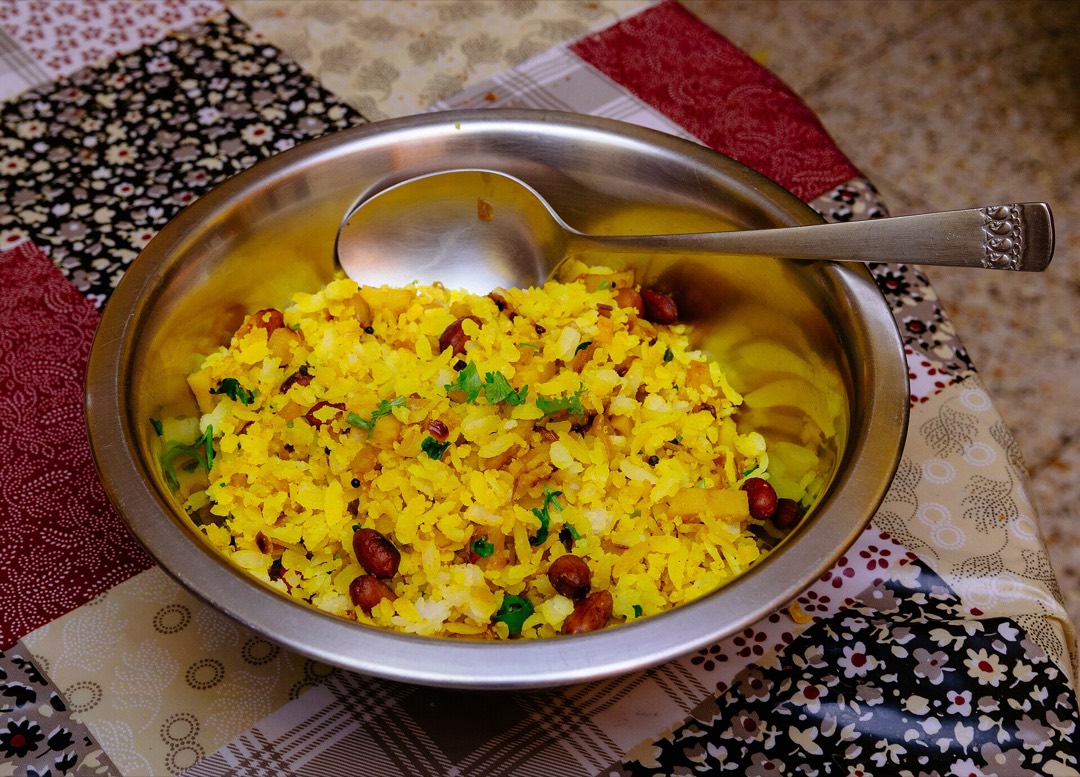

Taste and health get the same treatment. The food we crave and the food we "should" eat are framed as opposites, and every meal turns into a small negotiation. Real meals live somewhere in between.
What I learned when I went looking
When I started digging into how people actually eat and what makes a habit stick, a few things became clear.
- Consistency beats intensity. The person who logs a so-so meal every day does better than the person who has one perfect week and then quits.
- Nobody sticks with a plan that ignores what they like to eat, or how their family eats.
- Guilt is a terrible motivator. It works for a few days, then it turns into avoidance.
Most tools I tried were built for the perfect week. They wanted precise weights, perfect logging, a diet that fit their template. Real life doesn't look like that.
Home-cooked or ordered in? Both.
Here's the honest truth about how most of us eat now: we can't cook every meal. Life is fast. Some nights dinner is a delivery app and a tired sigh, and that's fine.
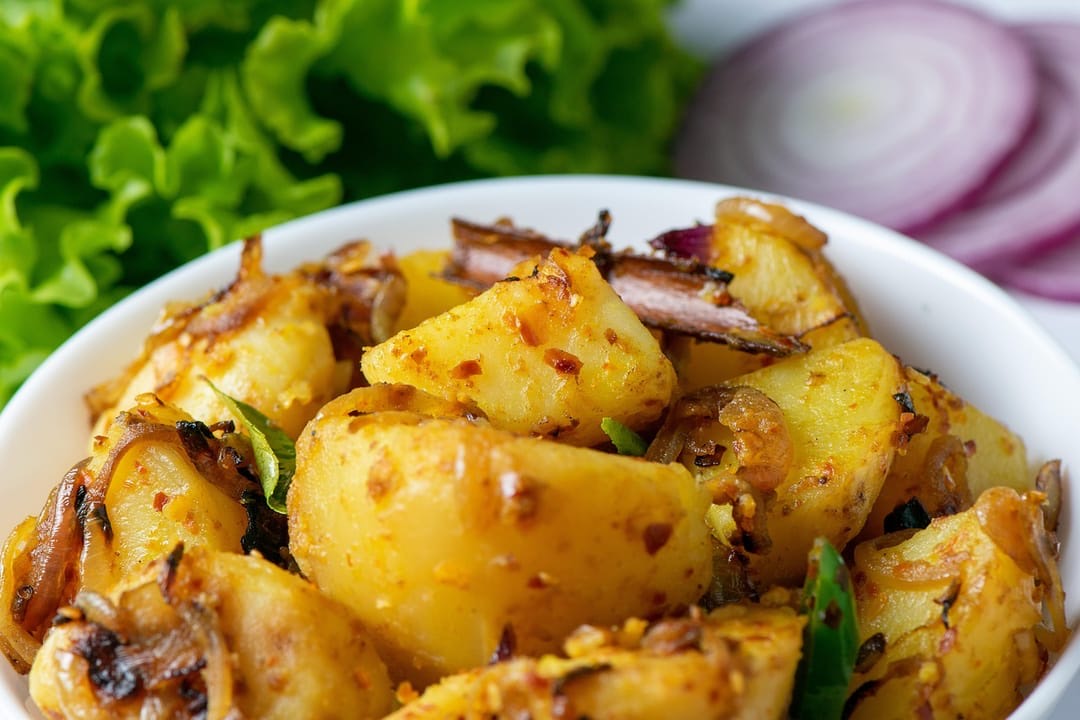
But we also can't live on ordering in. It's expensive, and over time you lose touch with what's actually in your food, and with the simple joy of making something yourself.
The answer isn't choosing one side. It's finding a balance you can keep: cook when you can, order smart when you can't, and know roughly where your day stands either way.
Looking good is not the goal. Showing up is.
Food today is often more about the photo than the meal. A great photo once a month won't change how you feel. What changes things is showing up for yourself, meal after meal, real plates and all, without making it a chore.
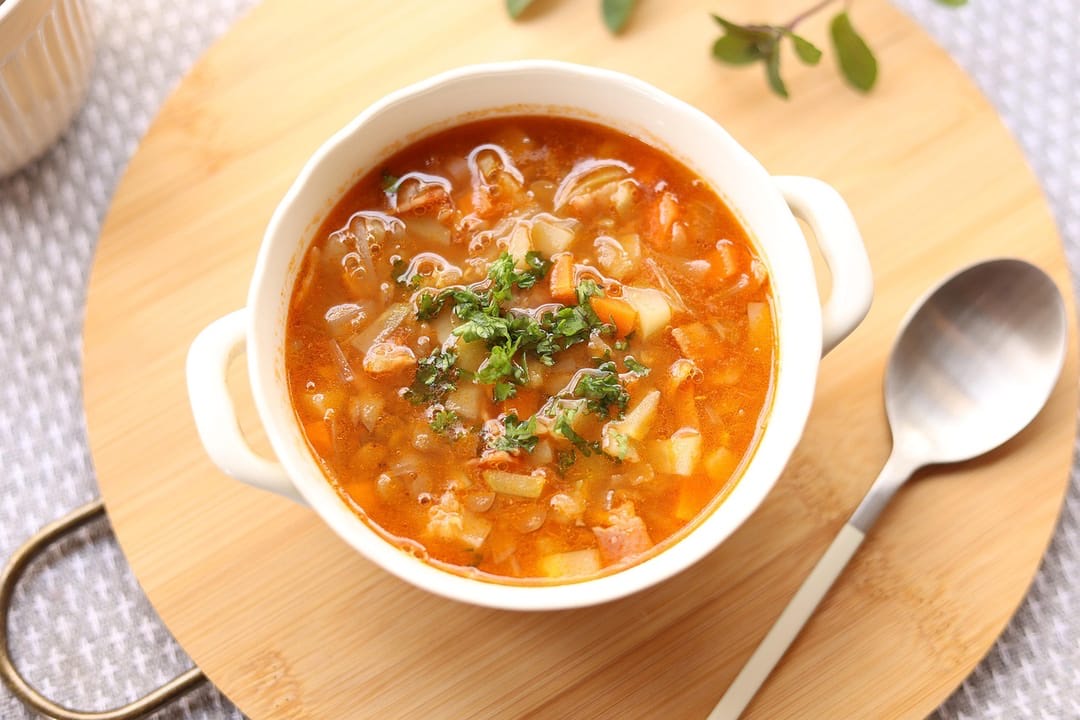
So I built Biteshot
Biteshot started as a simple idea: take a photo of what you eat and let the app do the boring part. It estimates what's on the plate, keeps track of your day, and helps you plan the next meal, without a scale or a spreadsheet.
Then it grew into something more personal. It respects how you eat: your diet, your allergies, your cuisine, your culture. It suggests meals that fit your life rather than someone else's. And it is gentle on the days that don't go to plan.
Real people, real plates
One part I care about most is Dig In, Biteshot's food feed.
I wanted a place that shows food the way people actually eat it. Not studio shots, not impossible bowls, not AI-generated plates. Dal and rice on a Tuesday. A sheet-pan dinner thrown together after work. Grandma's recipe made slightly wrong and still delicious.
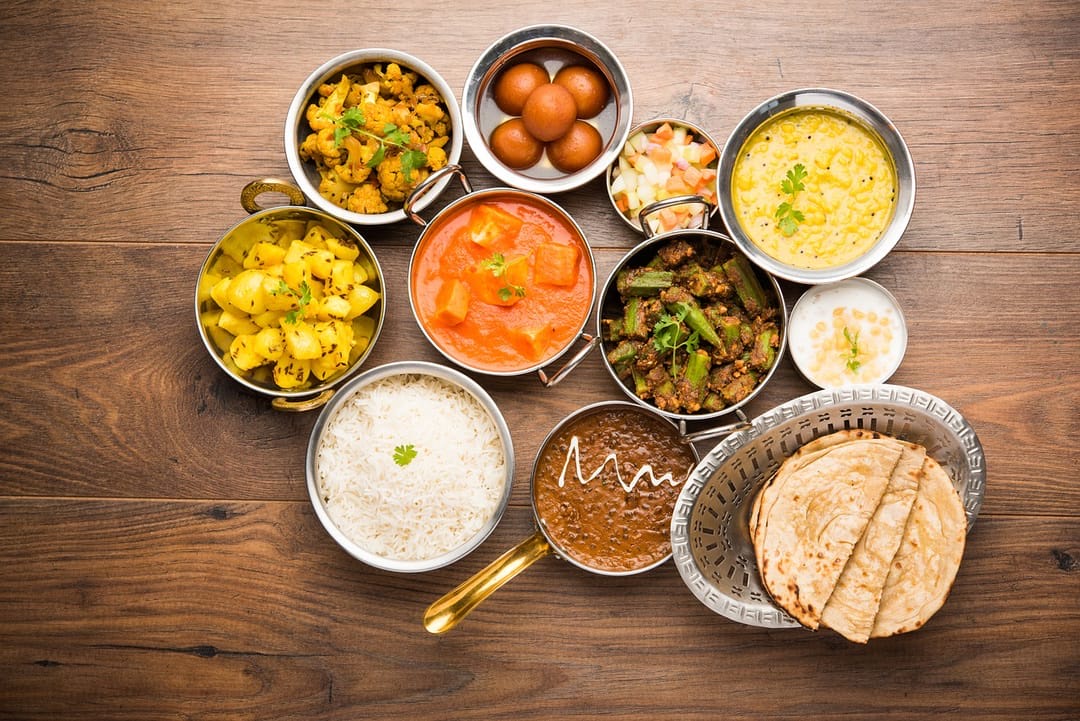
Dig In is built around real people sharing real home-cooked dishes. Every photo is screened, and we don't post AI-generated food images. To get the feed going we also run a few AI food personas. They're clearly labelled on their profiles, and their posts use real photos. Over time, the people cooking at home are the heart of it.
Because that's how the world really eats: everyday food, made by real people, in real kitchens.
What's next
This blog is where I'll share how Biteshot is built: the product decisions, the technology behind it, what we get wrong, and what we learn from the people using it.
If any of this sounds like your relationship with food, I'd love for you to try Biteshot and tell me what you think.
So, live to eat or eat to live? I've stopped choosing. With Biteshot, I get to do both.
— Ani, founder of Biteshot
Comments
Loading comments…